
Key Takeaways
- Aesthetic bonding uses tooth-coloured resin shaped directly onto the tooth and matched to the shade of the teeth beside it.
- It can address chips, minor cracks, small gaps, and uneven edges.
- Most appointments take about 30 to 60 minutes per tooth and can often be finished in a single visit.
- Depending on habits and daily care, bonding typically lasts 3 to 10 years before a touch-up.
- Bonding, veneers, and Invisalign® suit different goals, so a consultation helps you compare them.
If you have a smile concern, you may have first noticed it in photos or when looking in the mirror. Perhaps a front tooth appears slightly shorter than the one beside it, a corner has chipped, or a small gap has developed over time. For these more subtle cosmetic concerns, you may be wondering which treatment could provide the result you want.
Aesthetic bonding is a cosmetic treatment in which tooth-coloured resin is shaped directly onto your tooth to improve small concerns like chips, minor gaps, and uneven edges, usually with little or no enamel removed. At Cooper Dental, we help patients across Calgary achieve natural-looking smiles, starting with a thorough consultation to determine what suits their lifestyle and goals.
What Is Aesthetic Bonding?
Aesthetic bonding uses a tooth-coloured composite resin that is carefully shaped onto the tooth and hardened with a curing light. The resin shade matches the surrounding teeth, so the repair blends in, providing you with a natural-looking smile. Because most cases do not require any enamel to be removed, bonding stays on the conservative end of cosmetic dentistry.
Concerns Bonding Often Addresses
Several everyday cosmetic issues respond well to bonding, including:
- Chips and small cracks on front teeth
- Small gaps between teeth
- Short, worn, or uneven edges
Can Bonding Fix Uneven Teeth?
Bonding can reshape jagged or pointed edges, softening the line your smile makes when you talk. It suits modest cosmetic changes rather than a full rebuild of several teeth.
What Happens During a Bonding Visit
Our dental team takes a thorough, personalized approach to every bonding appointment. Your visit will generally follow 4 simple steps from start to finish:
- Photographs of the area of concern
- Shade selection and surface preparation.
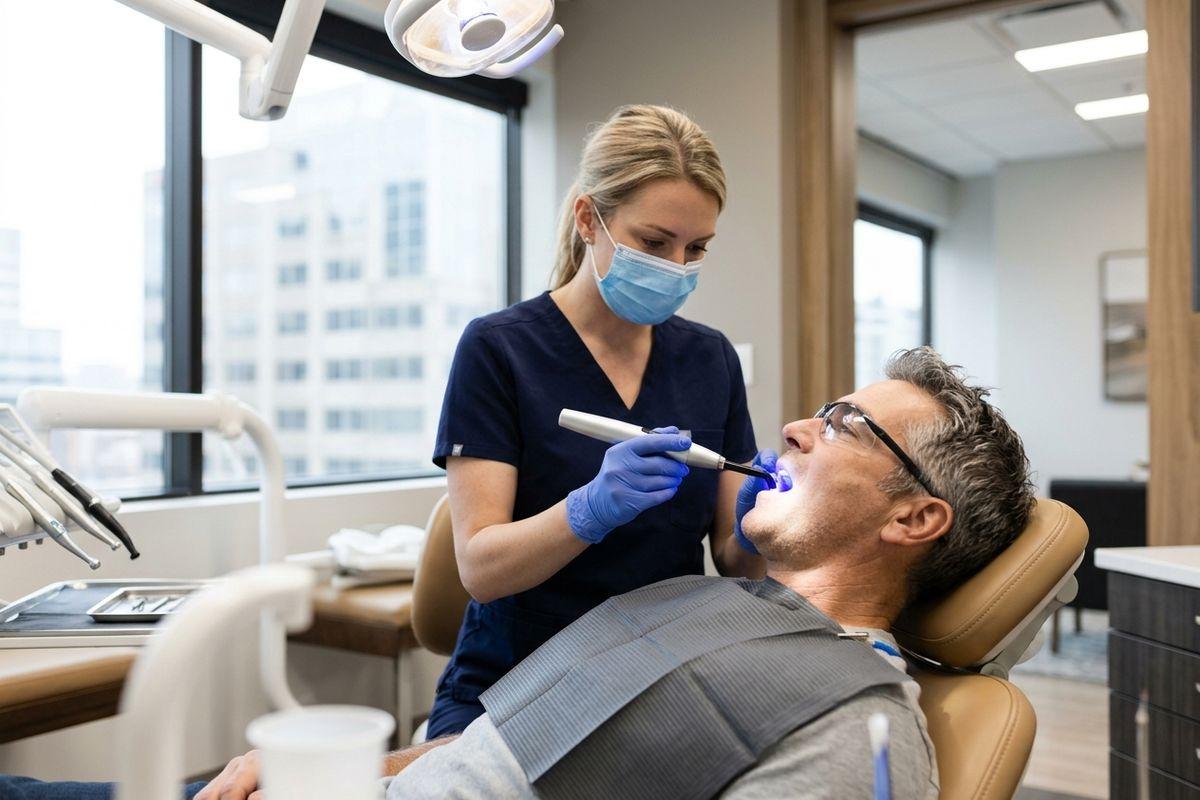
- Resin applied, sculpted, and hardened with a curing light.
- Bite check, trim, and polish.
How Long the Appointment Takes
If you are receiving dental bonding, you may be wondering how long the process takes. Each tooth can take between 30 and 60 minutes, depending on the complexity of the fix. Your dentist can often complete the process in a single visit, which means you can get back to your day right away.
Comfort During Treatment
Bonding often requires little or no tooth preparation, so freezing may not be necessary. Most people feel light pressure during the process and can return to eating and talking normally the same day.
How Long Bonding Lasts & How to Care for It
Bonding can last 3 to 10 years, though its lifespan varies based on factors such as the bonding location, your bite, habits, and oral care. Repairs and refreshes are straightforward, so a worn edge does not necessarily mean starting over.
Habits That Help Protect Your Bonding
Proper care can help protect your bonding and extend its lifespan. Here are a few small changes that can help your bonding keep its shape and colour:
- Do not bite your nails, and avoid chewing on ice, pens, and packaging.
- Limit coffee, tea, red wine, and tobacco, which can stain your teeth.
- Brush, floss, and keep up with regular cleaning appointments.
- Consider a night guard if you grind.
Does Decay Form Under Bonding?
Bonding does not protect the tooth from decay. Good oral hygiene and regular dental visits help keep the surrounding tooth structure healthy and help your dentist to monitor the margins where the resin meets the tooth.
Trade-Offs & Limits of Bonding
Bonding offers a conservative approach to cosmetic changes and can often be completed without extensive tooth preparation. It can also be repaired or adjusted as needed. However, composite resin is generally more susceptible to wear, chipping, and staining than porcelain.
Whitening treatments do not change the colour of existing bonding. If you are considering both treatments, completing whitening first may allow your dentist to select a bonding shade that complements your desired tooth colour.
When Bonding May Not Be the Right Choice
Our dental team will address health concerns such as decay, deep cracks, or gum issues before any cosmetic work. Heavy grinding or clenching is especially worth discussing, since that force shortens the life of resin. Depending on the cause and size of the gap or chip, orthodontic treatment such as Invisalign® may be worth considering.
How to Choose Between Bonding, Veneers, & Invisalign®
Each cosmetic option answers a different question about your smile. If you have a small concern, like one minor chip, bonding may be a good option to explore. If you are looking to change the position of several teeth, orthodontic treatment such as Invisalign® may be appropriate. If your goals are primarily related to tooth shape, size, or colour, veneers may be another option to discuss.
Our dental team can walk you through each option and help you decide what may be the right choice for you. At Cooper Dental, you will always begin with a consultation with a dentist in downtown Calgary that includes a digital scan along with several photos, and a close look at your teeth. The dentist can review what you would like changed, explain what is realistic, and outline a treatment plan with a cost breakdown before anything begins.
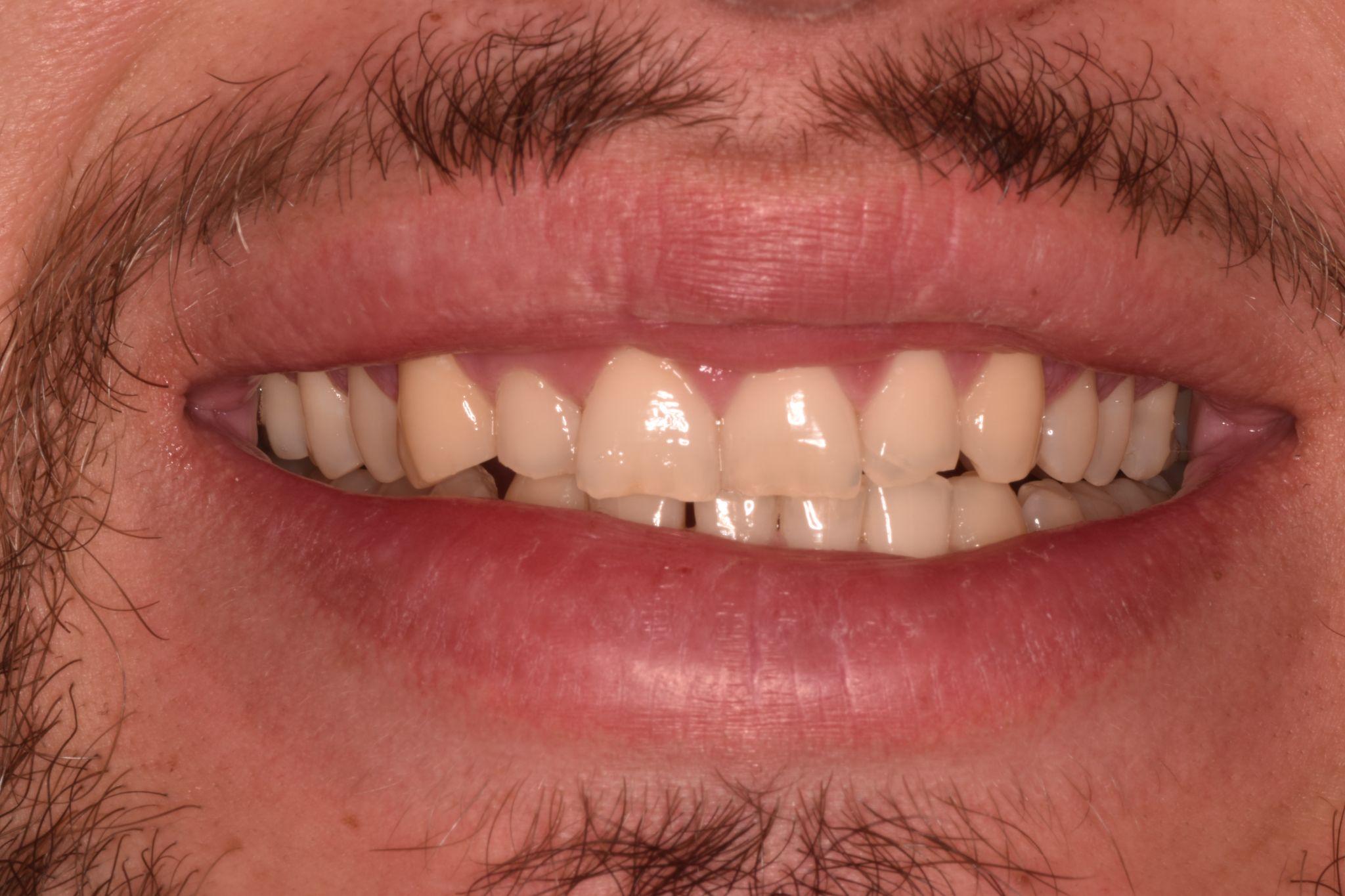
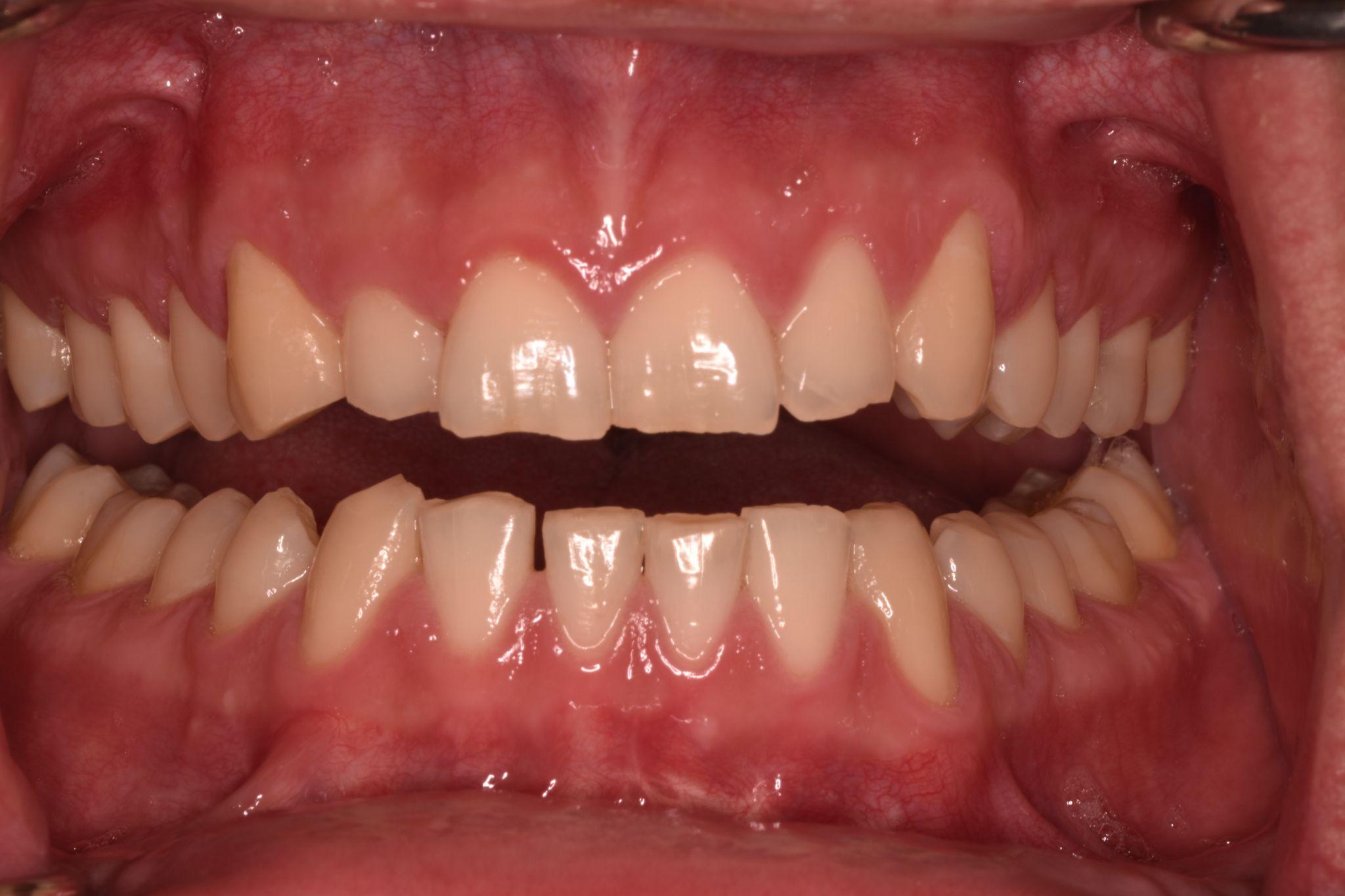
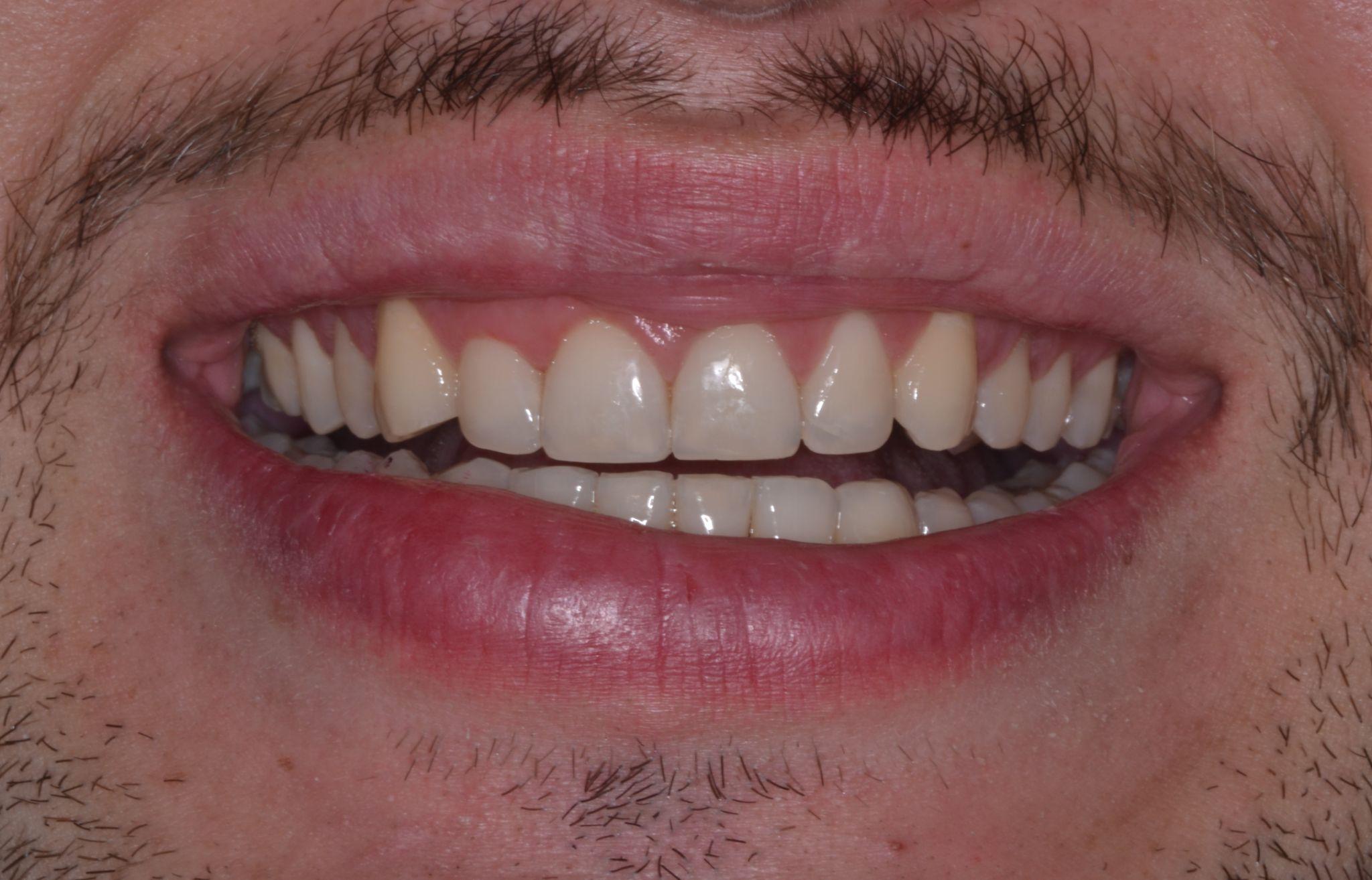
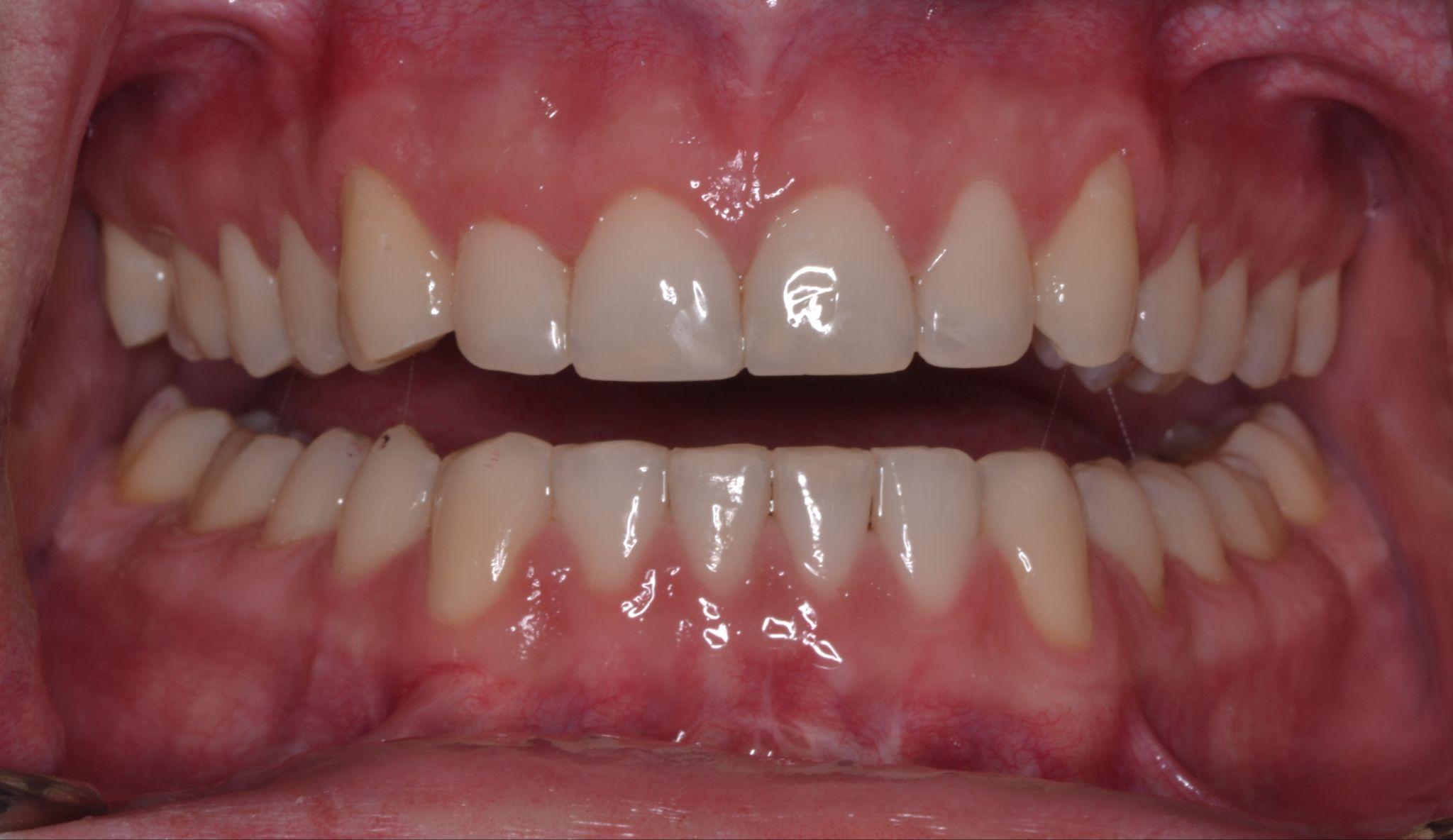
Cooper Dental Patient: Before & After Dental Bonding
Before Bonding
After Bonding
Schedule Your Consultation
If a chipped edge or small gap has been on your mind, our team at Cooper Dental can walk you through your options and help you decide what fits. Book a consultation to get started.