
Patient Overview
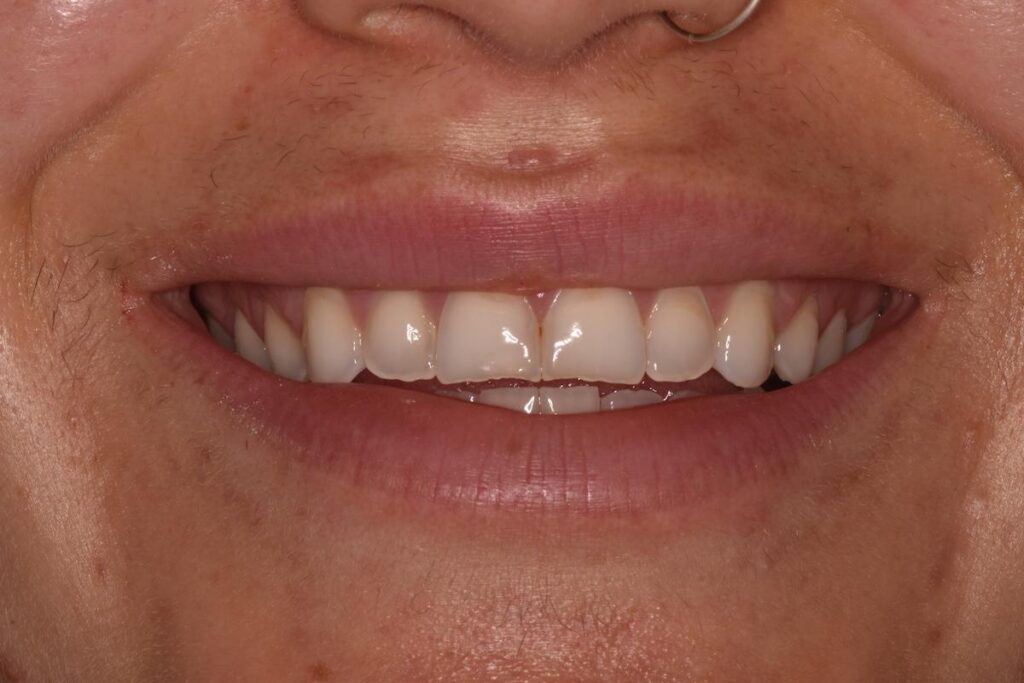
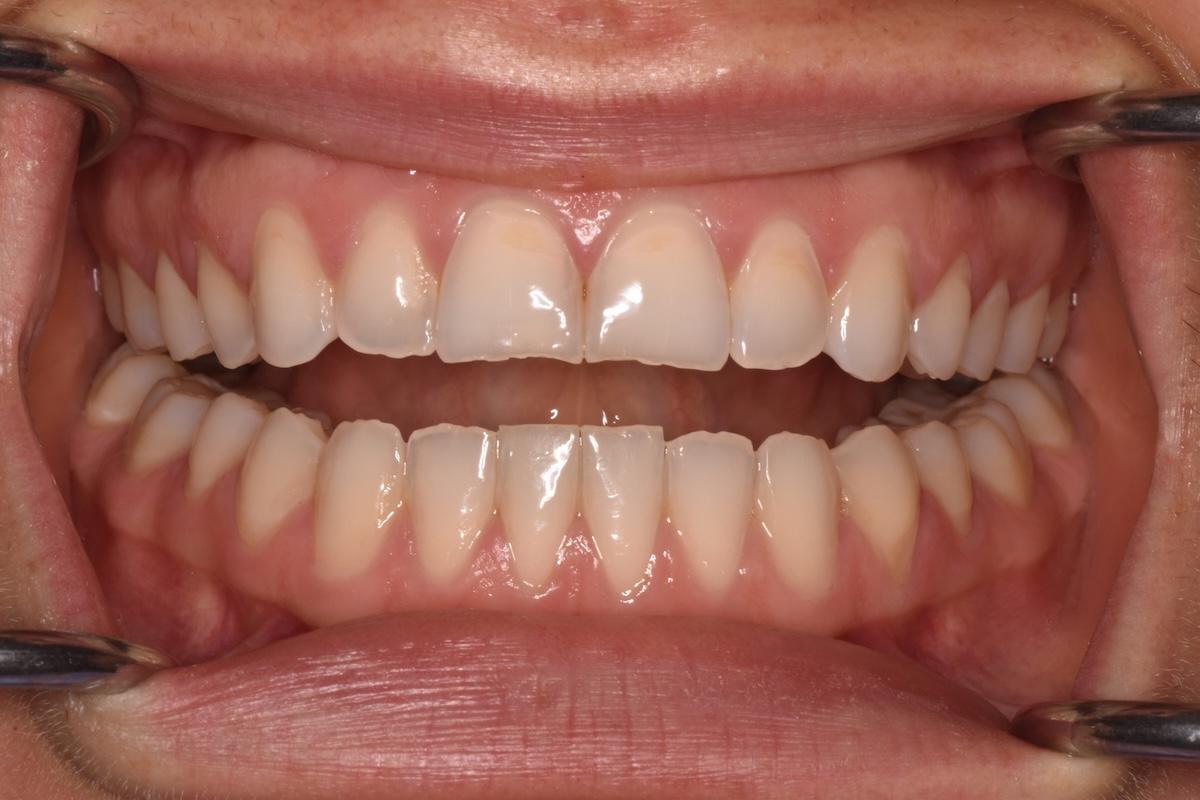
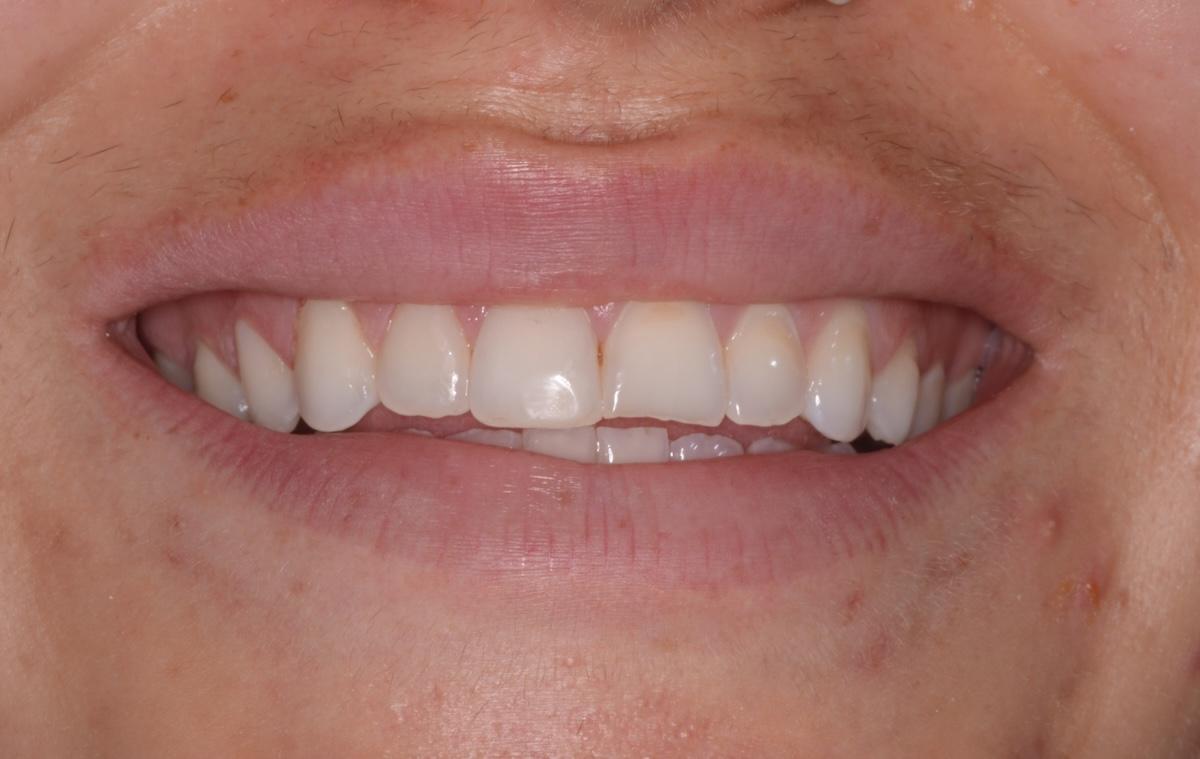
A patient visited Cooper Dental concerned about the appearance of their upper front teeth, which had become noticeably shorter, uneven, and discoloured over time. Clinical examination revealed signs of dental erosion, a condition in which acids gradually wear away the protective enamel layer of the teeth.
Unlike tooth decay, dental erosion is caused by repeated exposure to acids rather than bacteria. As enamel is lost, the underlying dentin becomes exposed, affecting both the appearance and strength of the teeth.
Fortunately, because the damage was identified before significant structural loss had occurred, the patient’s smile could be restored using a conservative treatment approach.
Key Outcomes
- Dental erosion identified as the cause of enamel loss
- Upper front teeth restored using conservative composite bonding
- Tooth length rebuilt to create a more balanced smile
- Exposed dentin covered to improve colour and aesthetics
- Natural tooth structure preserved while restoring function and appearance
The Initial Assessment
The patient presented with several classic signs of dental erosion affecting the upper front teeth. Clinical examination revealed:
- Shortened upper front teeth
- Jagged and uneven incisal edges
- Discolouration near the gumline where enamel had worn away
- Exposed dentin affecting the appearance of the teeth, creating a notch at the gumline of the front teeth
As enamel erodes, it cannot regenerate naturally. Once the protective outer layer is lost, the darker dentin beneath becomes visible, often creating yellow or brown discolouration near the gumline. At the same time, continued enamel loss can cause the teeth to develop temperature sensitivity, become shorter, and develop uneven or chipped edges.
Dental erosion can result from several factors, including:
- Gastric reflux
- Frequent consumption of acidic foods and beverages
- Brushing immediately after consuming acidic foods or drinks
- Bulimia
- Regularly swishing acidic beverages, such as soft drinks, before swallowing
Identifying the underlying cause of erosion is an important part of treatment, helping reduce the risk of continued enamel loss after the teeth have been restored.
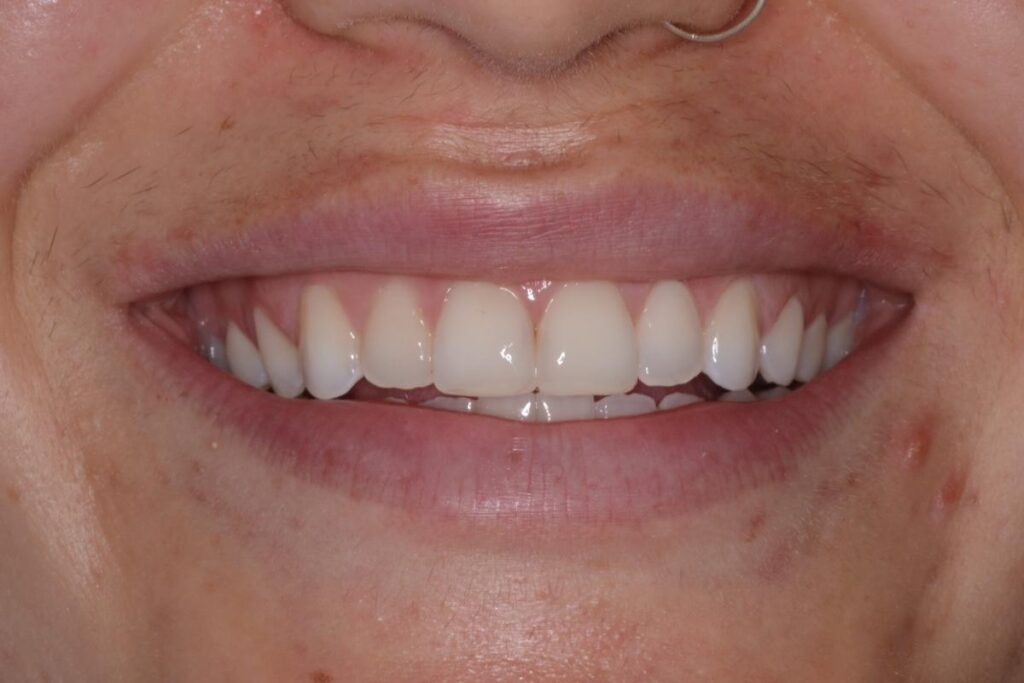
Before Treatment
Treatment: Conservative Composite Bonding
Because the damage was primarily limited to the enamel and visible surfaces of the teeth, treatment was both conservative and highly effective.
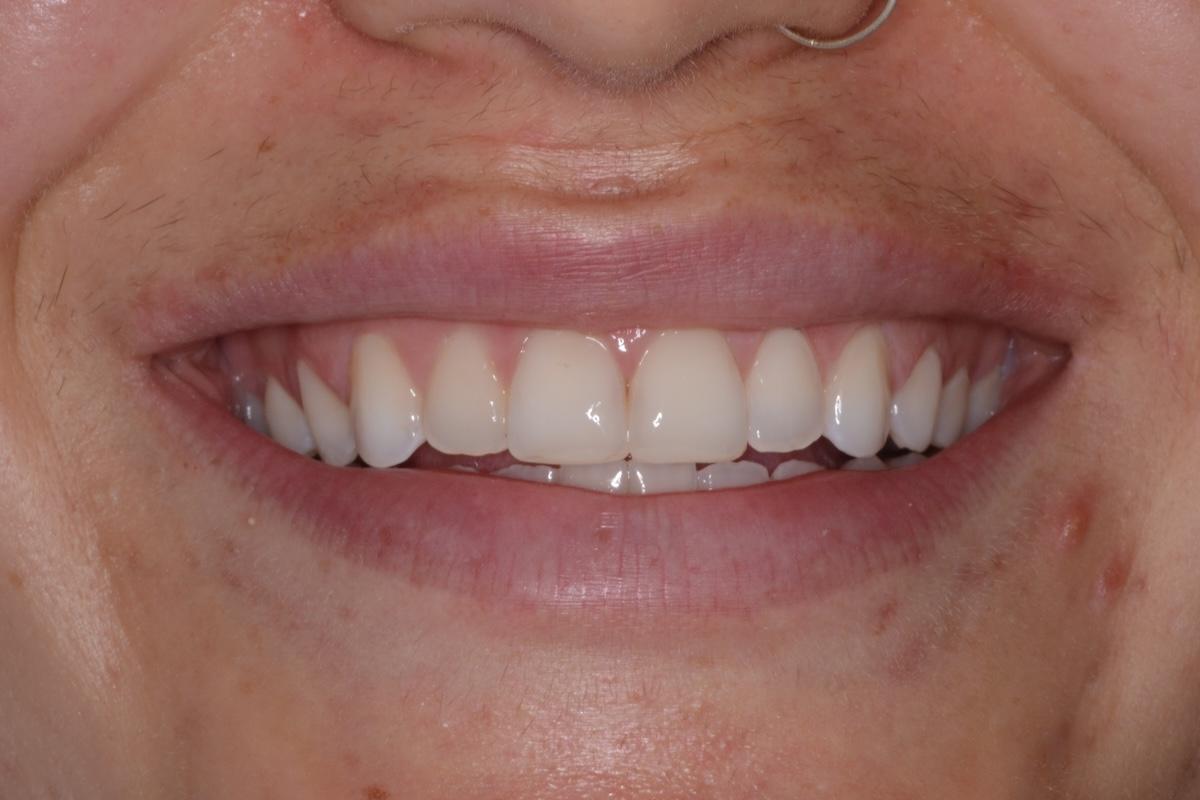
Composite resin bonding was carefully applied to the upper front teeth to restore the areas affected by erosion. The material was used to rebuild the shortened edges, returning the teeth to a more natural length while also covering the exposed dentin near the gumline.
The composite was colour-matched to the patient’s natural teeth, then carefully sculpted and polished to blend seamlessly with the surrounding enamel. This approach restored both the shape and appearance of the smile while preserving as much healthy tooth structure as possible.
Halfway Through Treatment
Why Conservative Treatment Matters
One of the advantages of composite bonding is that it allows significant cosmetic improvements without the need for more invasive procedures.
Rather than preparing the teeth for crowns or veneers, bonding can often restore worn enamel with minimal removal of healthy tooth structure. This makes it an excellent treatment option for patients with mild to moderate dental erosion.
Early intervention also helps prevent further structural loss and may reduce the need for more extensive restorative treatment in the future.
The Final Result
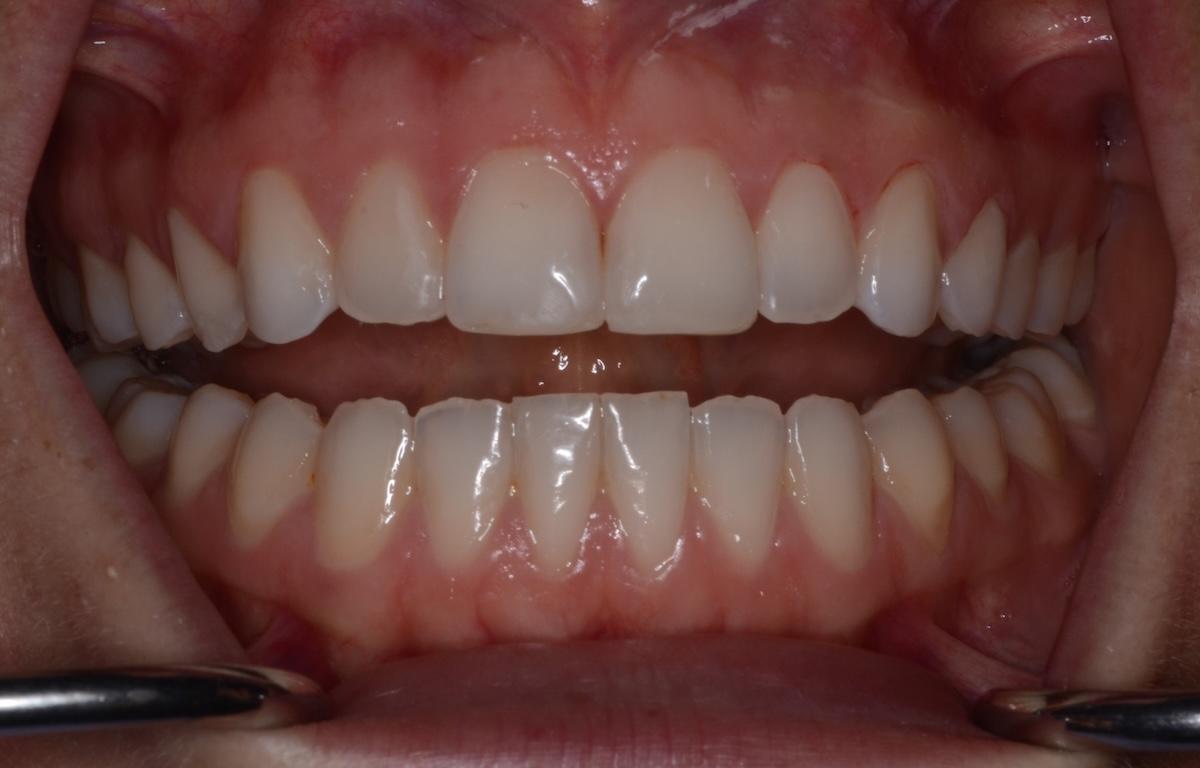
By restoring the lost enamel with composite bonding, the patient’s smile regained its natural proportions, smoother tooth edges, and a more consistent colour.
This case demonstrates how early treatment of dental erosion can produce dramatic cosmetic improvements using a minimally invasive approach. By rebuilding the worn areas while preserving healthy tooth structure, Cooper Dental was able to restore both the appearance and function of the patient’s smile.
After Treatment
Concerned About Worn or Shortened Teeth?
If you’ve noticed your teeth becoming shorter, developing uneven edges, or showing yellow or brown areas near the gumline, dental erosion may be the cause. The team at Cooper Dental can evaluate your smile, identify the source of the enamel loss, and recommend conservative treatment options to restore your teeth while helping prevent further damage.